
SHIPPING CONTAINER MODIFICATION & CONVERSION
Custom Shipping Container Modifications Built Around Your Needs
A shipping container can be much more than a basic storage box. With the right modifications and conversion work, a standard container can be transformed into a practical, functional space designed around your specific project requirements.
At ConexWest Shipping Containers, we provide shipping container modification and conversion solutions for businesses, contractors, construction companies, homeowners, farms, retailers, and other customers looking for customized container solutions.
Whether you need additional doors, windows, ventilation, electrical work, insulation, shelving, partitions, roll-up doors, or a more complete container conversion, we can help you identify the options that fit your intended use.
Tell us what you want to build, and request a custom container modification quote.
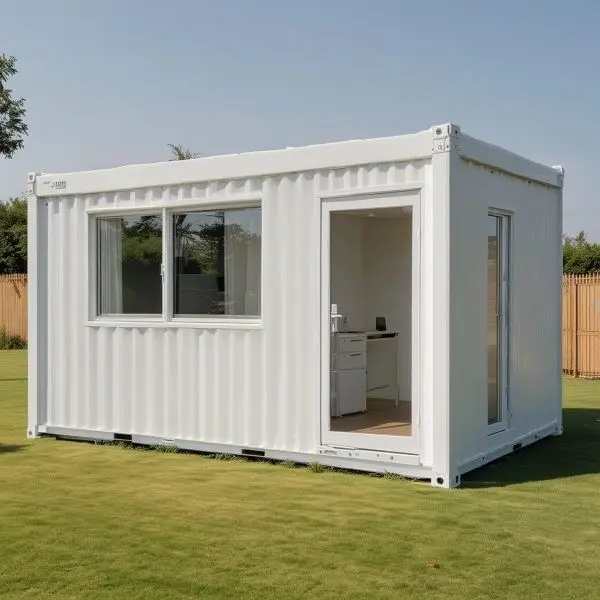
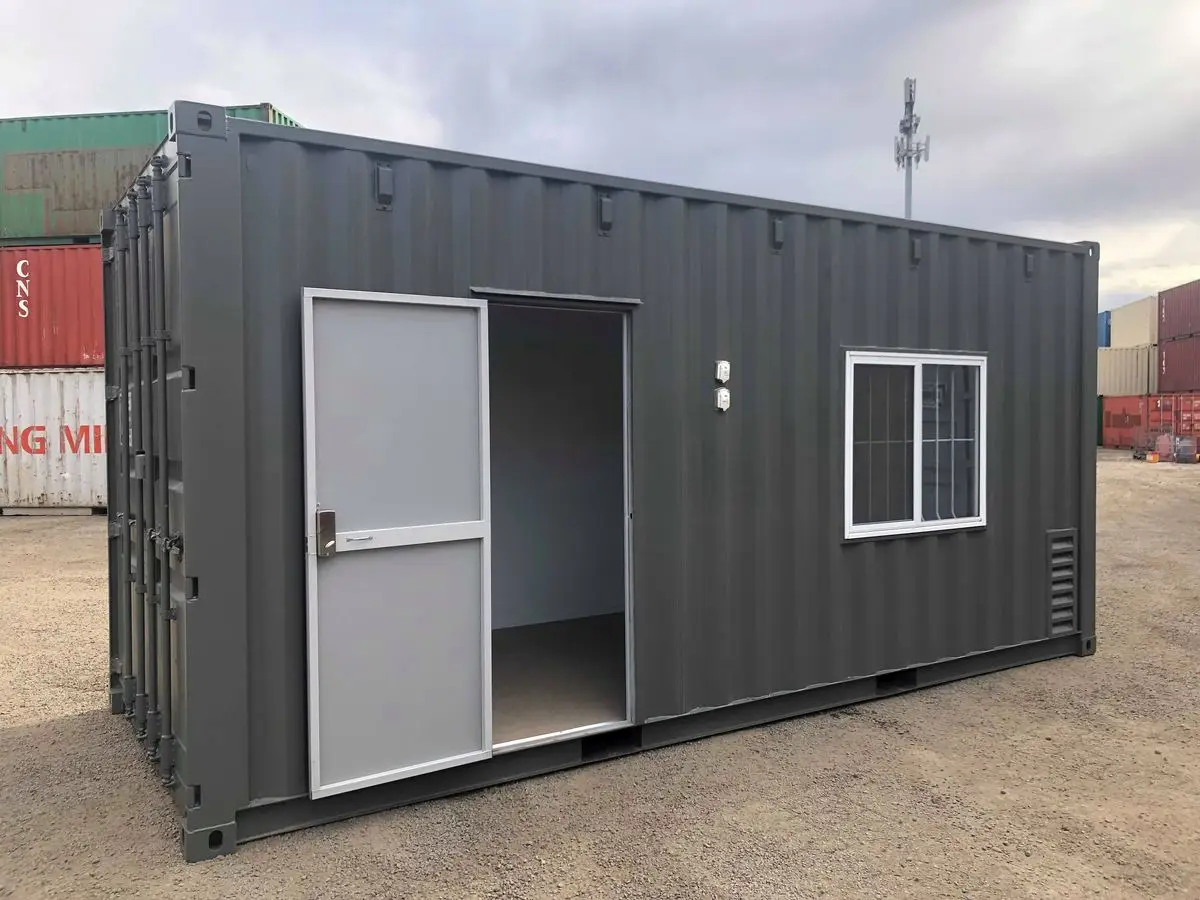
What Is a Modified Shipping Container?
A modified shipping container is a standard cargo or storage container that has been altered to meet a specific functional requirement.
Modifications can range from simple changes—such as adding a personnel door or window—to more extensive conversions involving electrical systems, insulation, interior walls, flooring, ventilation, lighting, and other components.
Common modifications include:
- Additional doors
- Personnel doors
- Roll-up doors
- Windows
- Ventilation
- Electrical outlets
- Lighting
- Insulation
- Interior partitions
- Shelving
- Workbenches
- Flooring
- Locking systems
- Paint and exterior finishes
- Service openings
- Pass-through windows
- Custom access points
- Equipment openings
- Custom interior layouts
The appropriate modification depends on the container, intended use, location, applicable requirements, and project specifications.
Custom Shipping Container Conversions
Container conversion takes customization a step further by transforming a standard shipping container into a purpose-built space.
Depending on the project, a container can potentially be converted into:
Container Offices
Create a dedicated workspace for construction sites, commercial properties, farms, industrial facilities, or temporary projects.
Possible features include:
- Personnel doors
- Windows
- Electrical outlets
- Lighting
- Insulation
- Interior walls
- Flooring
- HVAC provisions
- Workstations
- Data or communication provisions
Construction Site Offices
A modified container can provide a practical enclosed workspace close to an active construction project.
Possible applications include:
- Site offices
- Project management offices
- Meeting rooms
- Storage offices
- Security offices
- Tool and equipment areas
Workshops
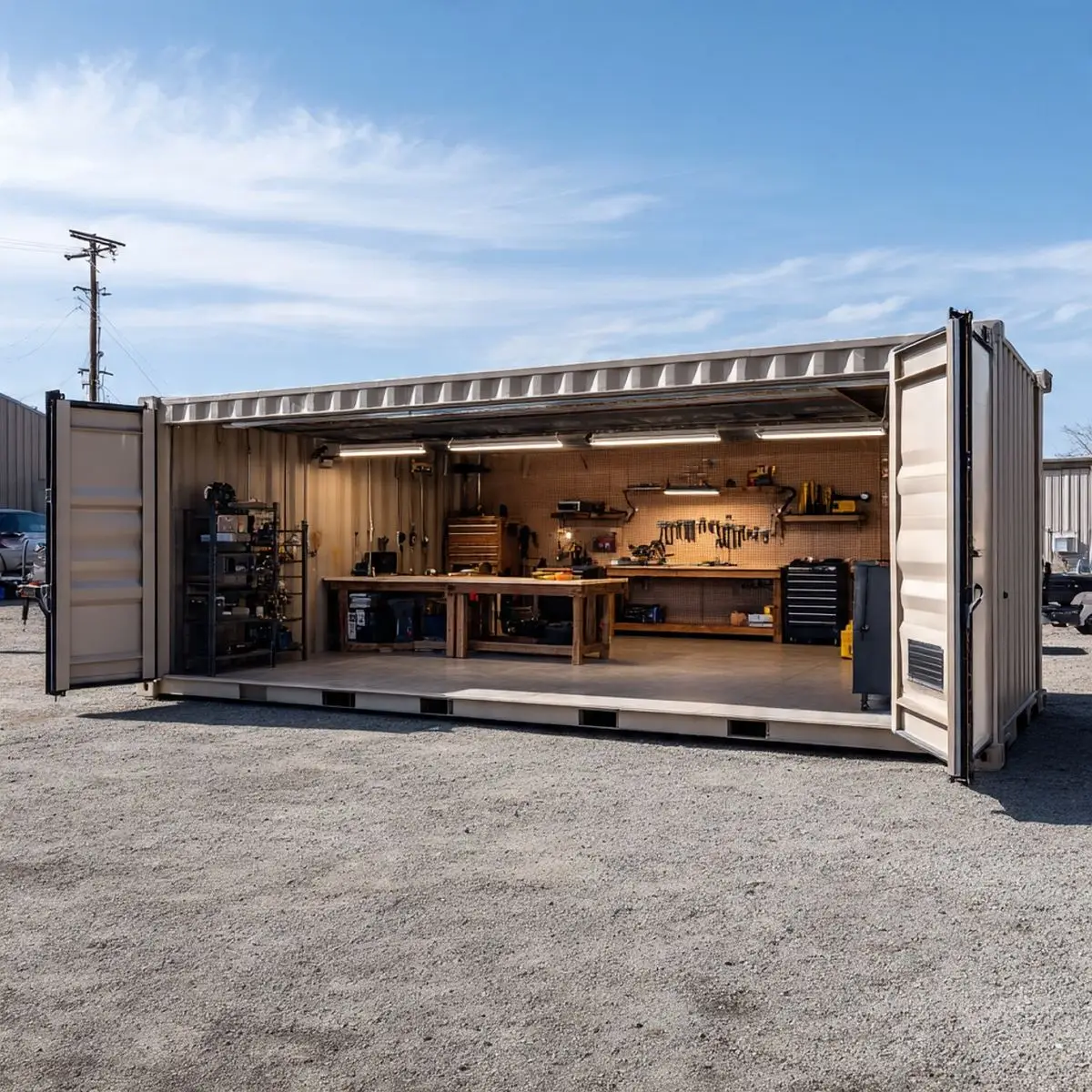
A container can be modified into a dedicated workshop for tools, equipment, maintenance, fabrication, or other work activities.
Potential additions include:
- Workbenches
- Shelving
- Electrical outlets
- Lighting
- Ventilation
- Personnel doors
- Roll-up doors
- Equipment access points
Retail & Commercial Containers
Businesses can explore container conversions for temporary or permanent commercial applications where permitted.
Potential uses include:
- Retail kiosks
- Sales offices
- Pop-up shops
- Service counters
- Equipment rooms
- Storage facilities
- Commercial workspaces
Local zoning, building regulations, permits, and other requirements may apply depending on the intended use and location.
Agricultural & Farm Storage
Modified containers can provide enclosed space for:
- Farm tools
- Equipment
- Supplies
- Feed
- Maintenance materials
- Agricultural inventory
Additional ventilation, shelving, access doors, or other modifications may be considered based on the intended application.
Popular Shipping Container Modifications
Doors & Access
Additional access points can make a container significantly easier to use.
Depending on your project, options may include:
Personnel doors
Double doors
Cargo doors
Roll-up doors
Sliding doors
Custom access openings
Door selection should take into account the items entering the container, available space, security requirements, and intended use.
Windows
Windows can bring in natural light and enhance visibility in converted container spaces.
They may be useful for:
Offices
Workshops
Retail spaces
Site buildings
Break areas
Customer-facing spaces
Window type, size, location, and installation requirements should be determined according to the intended application.
Roll-Up Doors
A roll-up door modification can provide wider access for equipment, machinery, carts, tools, or other large items.
This can be particularly useful for workshops, equipment storage, commercial applications, and construction projects.
Electrical Modifications
Electrical modifications can help turn a basic container into a more functional workspace.
Depending on the project, electrical options may include:
Interior lighting
Exterior lighting
Electrical outlets
Switches
Wiring
Electrical panels
Conduit
Dedicated circuits
Electrical work should be properly designed and installed according to applicable electrical requirements and by appropriately qualified professionals where required.
Insulation
For containers intended to be occupied or used as workspaces, insulation may be an important consideration.
Insulation can help address:
Temperature control
Condensation management
Interior comfort
Energy efficiency
Noise reduction
The appropriate insulation system depends on the container design, climate, intended use, and applicable building requirements.
Ventilation
Proper ventilation can be important for storage areas, workshops, equipment spaces, and converted containers.
Depending on the application, ventilation options may include:
Passive vents
Louvers
Mechanical ventilation
Exhaust systems
Air circulation systems
The appropriate solution depends on what the container will be used for.
Interior Partitions
Interior partitions can divide a container into separate functional areas.
For example, a larger container could potentially be divided into:
Office space
Storage area
Equipment area
Work area
Utility area
A custom layout can help organize the available interior space around your workflow.
Shelving & Storage Systems
Adding shelving can make vertical space more useful and improve organization.
Shelving can be considered for:
Tools
Parts
Inventory
Equipment
Supplies
Documents
Maintenance materials
The shelving design should account for the weight and dimensions of the items being stored.
Custom Container Solutions for Businesses
Businesses often need storage and workspace solutions that do not fit a standard container configuration.
A modified container can potentially provide an alternative to conventional construction for certain applications, subject to local requirements.
Common commercial applications include:
Inventory storage
Equipment storage
Temporary offices
Job-site offices
Workshops
Retail spaces
Security buildings
Maintenance rooms
Utility enclosures
Mobile workspaces
If your business has a unique requirement, provide us with your dimensions, intended use, desired features, and delivery location so we can determine what type of modification may be appropriate.
Container Conversion for Construction Projects
Construction projects frequently require temporary infrastructure that can be installed and relocated more easily than traditional structures.
Modified containers can potentially serve as:
Site offices
Tool rooms
Material storage
Security buildings
Break rooms
Equipment storage
Temporary workspaces
The container should be selected and modified according to the specific project requirements, site conditions, and applicable regulations.
Custom Container Design Process
We make the modification process easier by starting with your actual requirements.
Step 1: Tell Us About Your Project
Provide information about:
Container size
Intended use
Delivery location
Number of doors
Window requirements
Electrical requirements
Insulation requirements
Interior layout
Equipment dimensions
Special features
Step 2: Review the Container Options
We help determine the appropriate container type and configuration for your project.
Available options may vary based on inventory, location, and modification requirements.
Step 3: Develop the Modification Requirements
Your requested modifications should be clearly defined before work begins.
This can include the location and size of openings, doors, windows, electrical requirements, interior features, finishes, and other specifications.
Step 4: Review the Quote
Your quote should identify the container, modification work, applicable materials, delivery requirements, and other charges associated with the project.
Step 5: Confirm Your Order
Once the specifications and pricing have been reviewed and accepted, the project can proceed according to the agreed terms.
Step 6: Modification & Conversion
The container is prepared according to the agreed specifications and available project requirements.
Step 7: Delivery
Once the modified container is ready and delivery arrangements have been confirmed, it can be transported to the designated location.
Modified Shipping Containers vs. Standard Containers
A standard container can be ideal when your primary requirement is straightforward enclosed storage.
A modified container may be more appropriate when you need additional functionality.
| Standard Container | Modified / Converted Container |
|---|---|
| Basic enclosed storage | Purpose-built functionality |
| Standard doors | Additional door options |
| Standard ventilation | Additional ventilation options |
| Existing interior configuration | Custom interior layout |
| Basic storage | Office, workshop, retail or specialized applications |
| Minimal customization | Multiple modification options |
The right choice depends on your budget, intended use, project duration, available space, and required features.
Custom Shipping Container Features
Depending on the project, customization may include:
Exterior Modifications
Doors
Windows
Roll-up doors
Vents
Access openings
Exterior paint
Branding
Equipment openings
Interior Modifications
Partitions
Shelving
Workbenches
Flooring
Interior finishes
Insulation
Lighting
Electrical outlets
Specialized Modifications
Service windows
Equipment access
Custom openings
Security features
Specialized storage configurations
Custom layouts
Not every modification is appropriate for every container. Structural integrity, container condition, intended use, and engineering requirements should be considered before modifications are made.
Container Modification for Specialized Applications
Some projects require more than standard storage.
Depending on your requirements, we can discuss custom solutions for:
Construction
Manufacturing
Agriculture
Retail
Commercial storage
Equipment storage
Workshops
Offices
Events
Industrial applications
Temporary facilities
For highly specialized projects, additional engineering, permitting, professional installation, or inspection may be required.
Shipping Container Conversion Considerations
Before converting a container, consider the following:
Intended Use
Determine exactly how the container will be used. A storage container has different requirements from an occupied office or commercial space.
Location
Your delivery location can affect transportation, placement, permits, accessibility, and installation requirements.
Climate
Temperature, humidity, precipitation, wind, and other environmental conditions can influence insulation, ventilation, corrosion protection, and interior design.
Access
Consider how people, equipment, furniture, and materials will enter and leave the finished container.
Electrical Requirements
If electrical systems are required, determine the anticipated electrical load and applicable installation requirements.
Plumbing
If your project requires plumbing, water, sinks, bathrooms, or other plumbing fixtures, additional design and regulatory requirements may apply.
Permits & Regulations
Depending on the jurisdiction and intended use, permits, zoning approvals, building requirements, electrical requirements, fire regulations, accessibility requirements, or inspections may apply.
Customers are responsible for determining and obtaining any permits or approvals required for their specific project unless otherwise agreed in writing.
Can a Shipping Container Be Used as an Office or Building?
A shipping container can be modified for office, commercial, or other occupied applications, but the requirements depend heavily on the location and intended use.
A container conversion should not automatically be assumed to comply with local building, electrical, fire, zoning, accessibility, or occupancy requirements.
Before beginning an occupied-space conversion, consult the appropriate local authorities and qualified professionals to determine what requirements apply to your project.
Container Homes & Residential Conversions
Shipping containers can also be incorporated into certain residential and architectural projects.
However, a container intended for residential occupancy typically requires significantly more planning than a basic storage modification.
Potential considerations include:
Insulation
Windows
Doors
Electrical systems
Plumbing
HVAC
Structural modifications
Flooring
Interior finishes
Fire safety
Egress
Building codes
Zoning
Permits
Foundation requirements
If you are considering a container home, work with qualified professionals familiar with local building requirements.
Quality & Structural Considerations
Modifying a shipping container can affect its original structure.
Large openings, extensive cutting, doors, windows, roll-up doors, and other modifications should be properly planned to preserve structural performance and ensure the finished unit is suitable for its intended application.
For complex modifications, engineering review may be appropriate.
Our approach is to focus on the intended function of the container while taking the container’s condition, construction, modification requirements, transportation, and final use into consideration.
Get a Custom Container Modification Quote
Every project is different.
Instead of choosing a generic package that may not match your requirements, tell us what you need and allow us to understand the project before recommending a configuration.
When requesting a quote, provide:
Preferred container size
Intended use
Delivery location
Number of containers
Door requirements
Window requirements
Electrical requirements
Insulation requirements
Interior layout
Roll-up door requirements
Shelving or workbench requirements
Special modifications
Desired delivery timeframe
The more information you provide, the easier it is to develop a quote around your actual requirements.
Why Choose ConexWest for Container Modifications?
Practical Customization
We focus on modifications that serve a specific purpose rather than unnecessary additions.
Flexible Solutions
From individual modifications to more extensive conversions, your project can be developed around your requirements and available options.
Clear Project Specifications
Before work begins, the requested modifications should be clearly identified so you understand what is being provided.
Storage & Commercial Applications
Our container solutions can support a wide range of storage, construction, commercial, agricultural, and project-based applications.
Straightforward Communication
We believe customers should know what they are ordering, what modifications are included, what additional services may apply, and what to expect during delivery.
Frequently Asked Questions About Container Modification & Conversion
Can you modify a shipping container?
Yes. Shipping containers can be modified with features such as doors, windows, roll-up doors, ventilation, electrical systems, insulation, shelving, partitions, and other custom features, depending on the project.
Can I customize the inside of a shipping container?
Yes. Interior customization can include partitions, shelving, workbenches, insulation, flooring, lighting, electrical outlets, and other features.
Can you add a roll-up door to a shipping container?
A roll-up door can be added to suitable containers as part of a modification project. The size and location should be determined based on the intended use and structural requirements.
Can you add windows to a shipping container?
Yes. Windows are a common modification for offices, workshops, retail applications, and other converted containers.
Can you add electricity to a shipping container?
Electrical systems can be incorporated into suitable container modification projects. Electrical work should comply with applicable requirements and be performed by qualified professionals where required.
Can a container be converted into an office?
A shipping container can be modified into an office or workspace, subject to the appropriate design, installation, zoning, building, electrical, fire, accessibility, and occupancy requirements.
Can a shipping container be converted into a workshop?
Yes. Containers can be customized with doors, ventilation, electrical systems, workbenches, shelving, lighting, and other workshop features.
How much does a modified shipping container cost?
There is no single modification price because costs depend on the container, size, condition, materials, number and complexity of modifications, labor, delivery, and project specifications.
Request a customized quote based on your actual requirements.
Can you modify a 20ft container?
Yes. A 20ft container can be suitable for many modification projects, depending on the intended use and requested features.
Can you modify a 40ft container?
Yes. A 40ft container provides additional interior space and may be suitable for larger office, workshop, storage, commercial, or specialized conversion projects.
Can a modified container be delivered?
Yes, delivery can generally be arranged for a completed modified container, subject to transportation requirements, container dimensions, location, access, and availability.
Build More With a Shipping Container
A shipping container does not have to remain a standard storage unit.
With thoughtful planning and the right modifications, it can become a more functional solution for storage, construction, business operations, workshops, offices, retail applications, agricultural use, and specialized projects.
Have a specific container project in mind?
Tell ConexWest Shipping Containers what you want to build, where the container needs to go, and which features you need.
Request Your Custom Container Modification Quote Today
Get started with a container solution designed around your project—not a one-size-fits-all approach.